
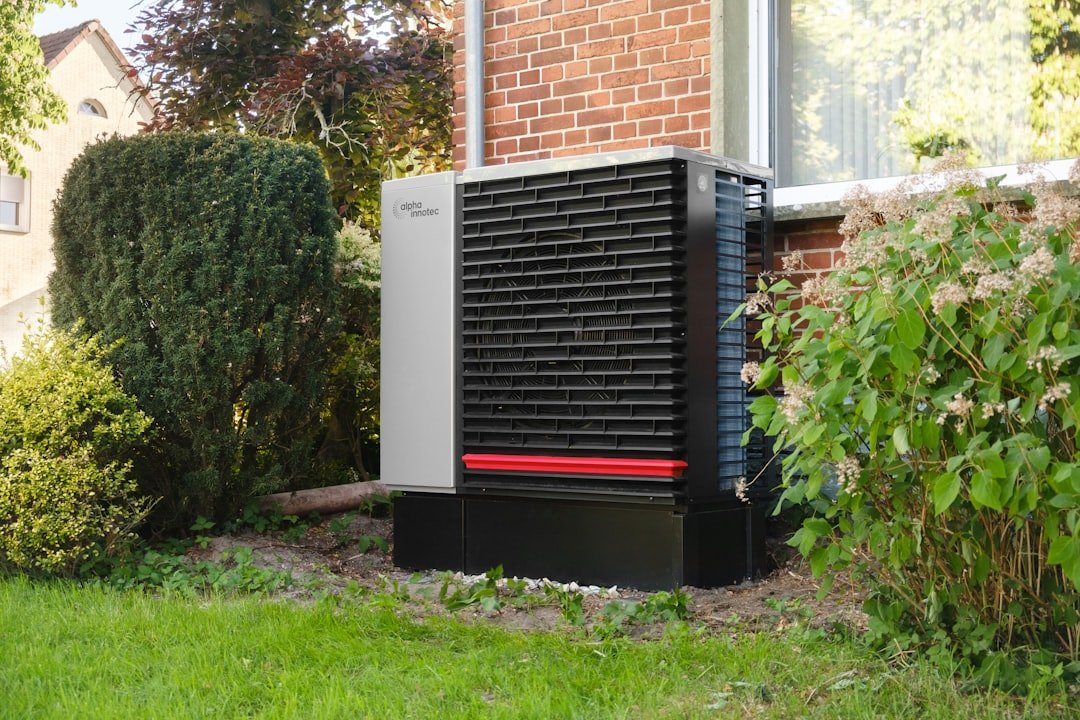
Understanding Air Source Heat Pumps
Air source heat pumps have become increasingly popular among UK homeowners looking to reduce their energy bills and carbon footprint. These systems extract heat from the outside air and transfer it indoors to warm your home and provide hot water. Unlike traditional boilers that generate heat through burning fossil fuels, heat pumps work by moving existing thermal energy, making them significantly more efficient.
The technology is particularly appealing as the UK government actively encourages their installation through various grants and incentive schemes. Understanding both the upfront costs and potential savings is essential before making this substantial investment in your home.
Installation Costs: What You’ll Actually Pay
The installation cost of an air source heat pump typically ranges from £8,000 to £13,000 for a standard residential property. However, several factors can influence the final price:
- System size and capacity required for your home
- Quality and brand of the equipment
- Complexity of installation work needed
- Whether you need additional adaptations like new radiators or underfloor heating
- Your location and local labour costs across the UK
- Removal of existing heating system
Scottish properties and those in remote areas may face higher installation costs due to travel expenses for engineers. Conversely, larger homes or those requiring extensive renovation might benefit from economies of scale if upgrading other heating infrastructure simultaneously.
Government Grants and Financial Support
The Boiler Upgrade Scheme (BUS), managed by the Department for Energy Security and Net Zero, currently offers a £5,000 grant towards air source heat pump installation costs. This scheme effectively reduces your net expenditure to between £3,000 and £8,000, making the technology considerably more accessible.
The grant eligibility criteria are relatively straightforward, though your property must meet certain requirements. Properties must have been built before 2021, and you’ll need a valid EPC (Energy Performance Certificate) rating. Notably, the scheme doesn’t have strict income restrictions, meaning most homeowners can apply regardless of household earnings.
Some local councils and energy suppliers also offer additional grants or subsidies. It’s worth checking with your local authority or energy company to discover what’s available in your area. Scottish residents should investigate the Home Energy Scotland Loan, which can provide additional financial support.
Annual Running Costs and Energy Bills
The annual running cost of an air source heat pump depends on several variables, including your home’s size, insulation quality, and heating requirements. On average, UK homeowners can expect to spend between £800 and £1,500 per year running an air source heat pump, compared to £1,500 to £2,500 with a traditional gas boiler.
Heat pumps achieve a Coefficient of Performance (CoP) of typically 3 to 4, meaning they produce three to four units of heat for every one unit of electricity consumed. This superior efficiency directly translates to lower running costs compared to conventional heating systems.
Your actual savings will depend on your current heating system and energy tariff. If you’re switching from an expensive oil boiler, savings could exceed £1,000 annually. If you’re upgrading from a modern, efficient gas boiler, savings might be more modest, around £200 to £400 yearly.
Factors Affecting Your Savings
Several key factors determine how much you’ll genuinely save with a heat pump installation:
- Home insulation: Well-insulated properties benefit most from heat pumps. Poor insulation means the system works harder and saves less money
- Current heating system: Greater savings are available if replacing older, inefficient boilers
- Electricity rates: Monitor Ofgem price caps and current energy tariff rates, as these directly impact running costs
- Weather patterns: Heat pumps work efficiently even in UK winter conditions, though extreme cold slightly reduces performance
- Hot water demand: Families with high hot water usage see proportionally greater savings
- Heating pattern: Consistent heating throughout the day generally proves more efficient than sporadic usage
Payback Period and Long-Term Value
With installation costs reduced by the £5,000 BUS grant, the typical payback period for an air source heat pump is between 8 and 15 years. This means annual savings eventually cover your initial investment. Many homeowners can expect 20+ years of service from modern heat pumps, providing considerable value during this extended operational period.
Beyond energy bill savings, heat pump installation increases property value. Estate agents increasingly highlight renewable heating as a desirable feature, and prospective buyers appreciate the lower running costs and environmental credentials.
Planning and Installation Considerations
Before committing to an air source heat pump, assess your property’s suitability. You’ll need adequate outdoor space for the external unit, typically requiring an area roughly one metre square. Listed buildings and those in conservation areas may face planning restrictions requiring local authority approval.
Work with accredited installers registered with ASHP (Association of Plumbing and Heating Contractors) or similar recognised bodies. Proper installation is crucial for optimal performance and maintaining warranty protection.
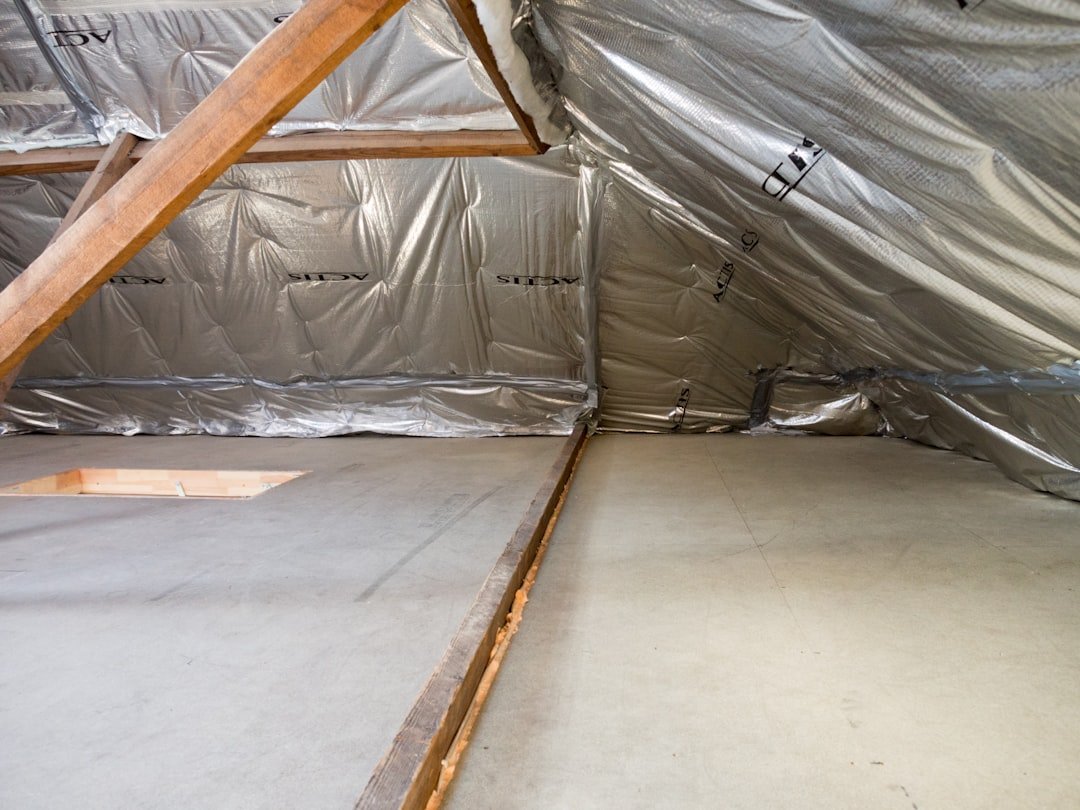
Many homes may benefit from preliminary insulation improvements, particularly loft insulation and cavity wall filling. Improving insulation before heat pump installation reduces the system size required, lowering costs whilst maximising efficiency and savings.
Comparing with Other Heating Options
Air source heat pumps typically offer better long-term economics than traditional boilers, particularly when considering maintenance costs and energy efficiency. Ground source heat pumps are marginally more efficient but cost substantially more (£15,000-£25,000), making air source systems the better choice for most UK homeowners.
For properties unable to install heat pumps, modern condensing gas boilers remain efficient alternatives, though increasingly strict regulations suggest limited future viability for fossil fuel heating systems.
Taking Action Today
If you’re serious about reducing your energy bills and embracing renewable heating technology, air source heat pumps represent an excellent investment. The combination of government grants, impressive efficiency improvements, and genuine annual savings makes this technology financially and environmentally sensible for most UK properties.
Start by obtaining a free survey from accredited installers in your area. They’ll assess your property’s suitability, provide accurate cost quotations, and explain exactly how much you could save. Several installers even help with BUS grant applications, simplifying the process considerably. Don’t delay—make your property more efficient and comfortable whilst taking advantage of current grant schemes and support available.

0 Comments