
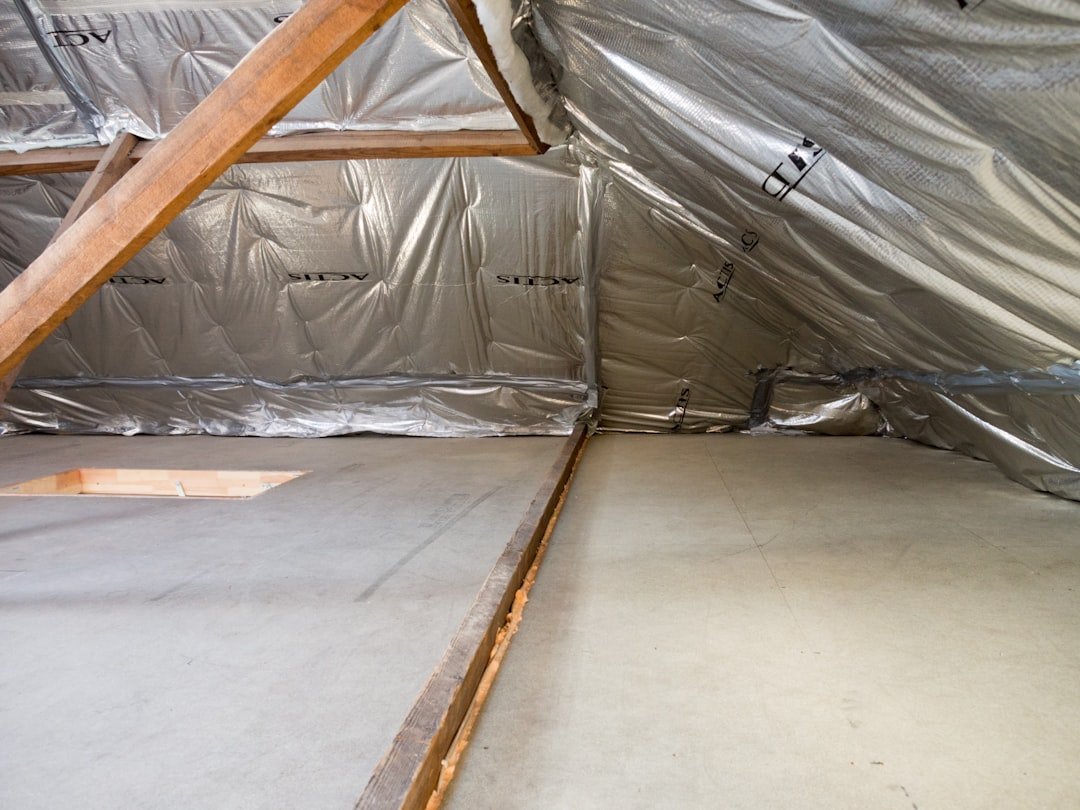
Understanding Heat Loss Through Your Loft
Did you know that approximately 25% of heat loss in an uninsulated home occurs through the roof? This staggering figure explains why loft insulation is consistently ranked as one of the most effective energy-saving measures available to UK homeowners. When winter arrives and you’re cranking up the heating to stay warm, much of that expensive warmth simply escapes through your loft space, leaving you paying more to Ofgem-regulated energy suppliers whilst getting less comfort in return.
The science is straightforward: warm air rises naturally, so without proper insulation in your loft, all that heat you’re paying for drifts away into the atmosphere. By installing adequate loft insulation, you create a thermal barrier that traps this heat inside your home, dramatically reducing the amount of energy your boiler needs to generate to maintain a comfortable temperature.
Real Savings: How Much Can You Actually Save?
The headline claim that loft insulation can cut bills in half might sound optimistic, but it’s rooted in genuine potential savings. Most UK homes without loft insulation can expect to reduce their annual heating bills by 10-15% simply by installing 270mm of quality insulation material. For a typical household currently spending £1,500 annually on heating, this translates to £150-£225 saved every single year.
However, if your loft is completely uninsulated or has minimal existing coverage, savings can reach up to 25% of your total energy bill. Combined with other energy-saving measures—such as wall insulation, draught-proofing, and switching to a better energy tariff with your supplier—you can realistically approach that 50% reduction figure over time.
The beauty of these savings is their consistency. Unlike energy tariff reductions that depend on wholesale prices and Ofgem price caps, loft insulation savings remain stable year after year, making it one of the most reliable investments for your home.
Types of Loft Insulation Materials
When planning your loft insulation project, you’ll encounter several material options, each with different properties and price points:
- Mineral wool (glasswool or rockwool): The most common choice in UK homes, offering good thermal performance at reasonable cost. It’s fire-resistant and relatively easy to install. Expect to pay £2-£4 per square metre.
- Polystyrene boards: Lightweight rigid sheets providing excellent insulation value in minimal thickness. Ideal for limited headroom but more expensive at £6-£10 per square metre.
- Natural fibres (sheep’s wool, wood fibre): Eco-friendly options with similar performance to mineral wool. They’re sustainable but typically cost 30-50% more.
- Cellulose: Made from recycled paper, it offers good environmental credentials and thermal performance, though it requires specialist installation equipment.
The recommended minimum thickness for UK lofts is currently 270mm, up from the 100mm standard of previous decades. If your loft already has some insulation, you may need to top it up rather than replace it entirely.
Costs and Installation Options
The total cost of loft insulation varies depending on your loft size, material choice, and existing insulation level. For a typical three-bedroom semi-detached house with a loft area of around 100 square metres, you’re looking at:
- DIY installation with mineral wool: £300-£500
- Professional installation with mineral wool: £800-£1,200
- Premium materials professionally installed: £1,500-£2,500
Whilst these figures might seem significant upfront, the payback period is typically 3-5 years for most UK households. After that, every pound saved goes straight into your pocket—or towards other home improvements and bills.
Government Grants and Funding
The UK government has historically offered support for energy-saving home improvements through various schemes. The Energy Company Obligation (ECO) scheme allows eligible households to access free or heavily subsidised insulation, though eligibility criteria are strict and change frequently.
It’s worth checking with your current energy supplier, as many larger suppliers offer their own grants or discount schemes for energy efficiency improvements. Additionally, local councils sometimes run energy-saving grants programmes specific to your area. Contact your local authority’s environmental or housing department to enquire about available support.
Some energy suppliers also offer cashback schemes when you complete recommended energy efficiency measures, so it’s definitely worth asking before you book installation.
The Installation Process
If you’re reasonably handy and your loft is safely accessible, mineral wool installation is a straightforward DIY project. You’ll need basic tools—a knife, tape measure, and protective equipment—along with proper ventilation to manage the material safely.
However, professional installation offers several advantages: it’s faster, ensures proper coverage without gaps, and many installers provide guarantees on their work. They’ll also identify and address potential issues like damp, inadequate ventilation, or pest problems that you might miss.
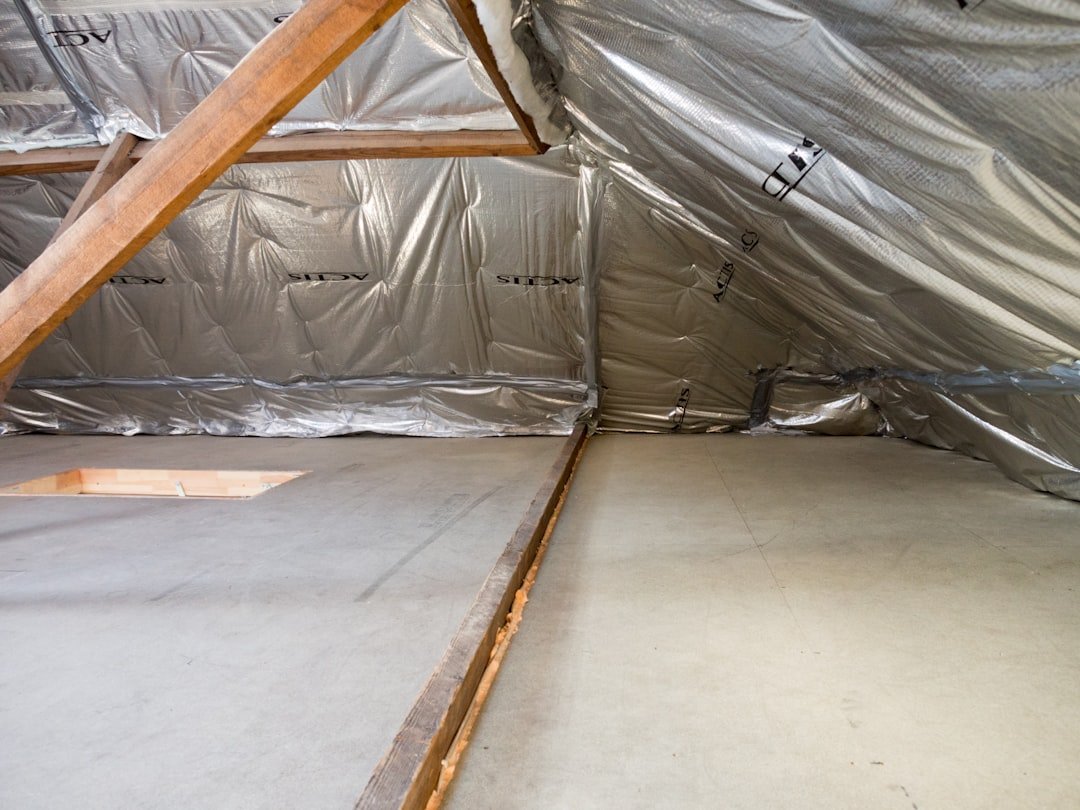
Professional installers can also advise on boarding out your loft if you want to use the space for storage whilst maintaining insulation effectiveness—something that requires careful planning to avoid reducing the insulation’s thermal benefits.
Additional Benefits Beyond Bill Savings
Beyond the obvious financial savings, loft insulation delivers several bonus benefits. Your home becomes more comfortable, with better temperature regulation throughout winter. You’ll notice fewer draughts and cold spots, creating a cosier living environment for your family.
Environmental benefits are significant too. Reducing your heating energy consumption lowers your household’s carbon footprint—contributing meaningfully to the UK’s climate targets. Many homeowners find this environmental impact as motivating as the financial savings.
Proper loft insulation also protects your roof structure from temperature fluctuations and moisture damage, potentially extending its lifespan and reducing maintenance costs down the line.
Getting Started Today
The path to cutting your energy bills through loft insulation is clear and achievable. Start by assessing your current insulation level—simply pop your head into the loft and measure the thickness. Compare this against the recommended 270mm standard.
Next, obtain quotes from at least three professional installers, or calculate DIY costs if you’re confident tackling the project yourself. Check your eligibility for grants through your supplier and local authority. Finally, schedule installation during spring or summer months when weather conditions are ideal and installers have shorter waiting lists.
Loft insulation represents one of the most cost-effective energy-saving investments available to UK homeowners. Combined with switching to a competitive energy tariff and implementing other efficiency measures, it genuinely can contribute to halving your energy bills. Don’t delay—start your insulation journey today and enjoy those savings for decades to come.

0 Comments