
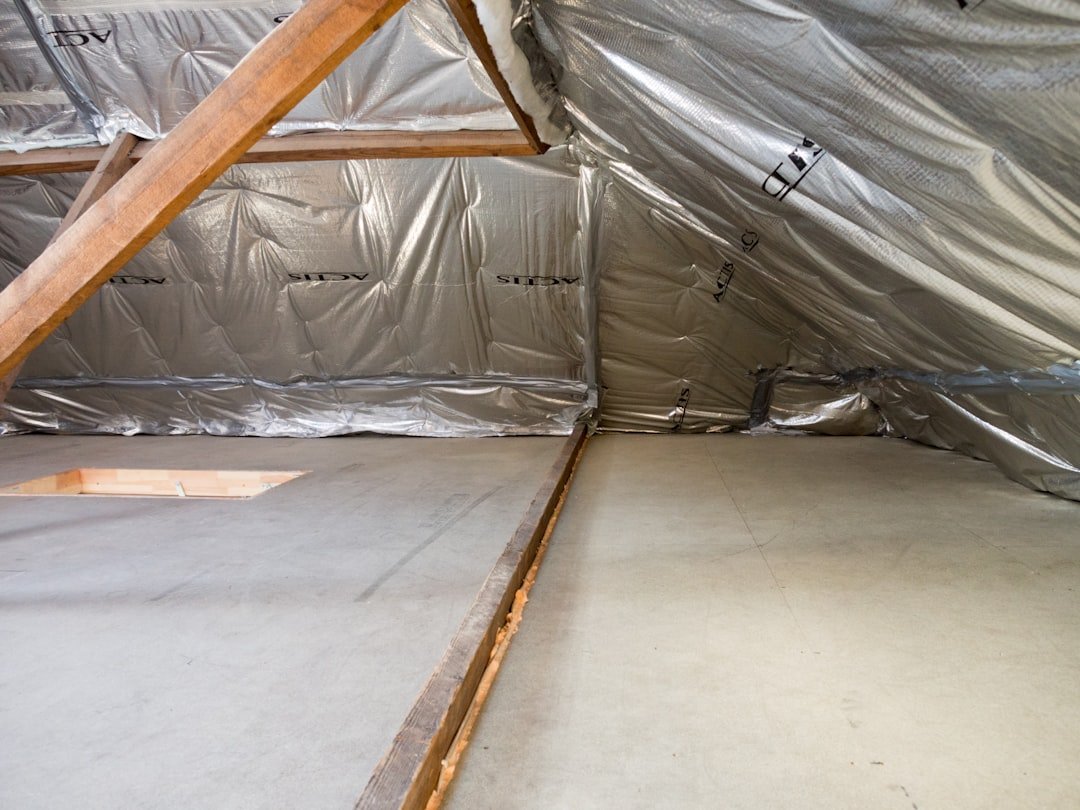
Why Loft Insulation Matters for Your Energy Bills
If you’re struggling with high energy bills, the answer might be literally above your head. Up to 25% of heat loss in an uninsulated home occurs through the loft, which is why loft insulation is widely regarded as the single most effective way to reduce your heating costs. For many UK households, installing proper loft insulation can slash energy bills by 10-15% immediately, with some properties seeing reductions of up to 50% when combined with other energy-saving measures.
The logic is straightforward: warm air rises, and without adequate insulation, that precious heat escapes directly into the atmosphere. This means your boiler works harder and longer to maintain a comfortable temperature, consuming more gas and pushing your bills higher. By creating a thermal barrier in your loft, you retain warmth where it matters—inside your home.
Understanding Current Loft Insulation Standards
The recommended loft insulation depth in the UK is currently 270mm (around 10-11 inches), which provides an R-value of approximately 7. However, many older British properties have significantly less insulation—sometimes just 50-100mm or none at all. If your loft insulation is thinner than this standard, you’re definitely losing money every single month.
Checking your current insulation is simple. Pop into your loft (safely, using proper access) and measure the depth of any existing material. If it’s visibly thin, patchy, or you can see the joists through it, you need to top up or replace it. Building Regulations and energy efficiency standards have tightened considerably over the past decade, reflecting what experts know about heat loss prevention.
The Real Cost Savings You Can Expect
Let’s talk numbers, because this is what matters to your wallet. The average UK household spends approximately £1,600 annually on heating and hot water, according to recent Ofgem figures. With proper loft insulation, you could realistically save £160-£240 per year simply by reducing heat loss through your roof.
These savings depend on several factors: your current insulation level, your home’s size, your local climate, and your heating habits. A poorly insulated three-bedroom semi-detached house in Yorkshire will see more dramatic savings than a well-insulated modern bungalow in the South. However, almost every property benefits significantly from upgrading loft insulation to current standards.
The payback period is equally attractive. Professional loft insulation installation typically costs £250-£500 for an average property, meaning you could recover your investment within 2-3 years purely through energy savings. After that, you’re saving money every winter for years to come—often 15-20 years or more, depending on the insulation material used.
Government Grants and Financial Support
The government recognises the importance of loft insulation and offers several schemes to help British households afford improvements. The Energy Company Obligation (ECO) scheme requires major energy suppliers to contribute towards insulation upgrades for eligible households. Some suppliers offer grants covering 50-100% of installation costs for qualifying properties.
Additionally, if you receive certain benefits or are over a certain age, you may qualify for support through local authority schemes or charitable organisations. It’s worth checking the Energy Saving Trust website for current grants available in your area—eligibility varies by region and changes periodically.
Many councils also run energy efficiency schemes. Contact your local authority to enquire about available funding. Even if you don’t qualify for grants, the energy savings justify the relatively modest investment required.
Choosing the Right Insulation Material
Several insulation materials work effectively in UK lofts, each with advantages:
- Mineral wool—affordable, effective, and most common. Easy to install and works well in most loft spaces.
- Sheep’s wool—natural, breathable, and increasingly popular. Slightly more expensive but excellent environmental credentials.
- Rigid foam boards—highest insulation value per thickness, ideal for limited loft space, though more costly.
- Cellulose—recycled paper-based, environmentally friendly, and performs well in irregular spaces.
Professional installers will recommend the best material for your specific loft configuration and budget. Proper installation is crucial—gaps, compression, and incorrect layering all reduce effectiveness significantly.
DIY vs Professional Installation
While mineral wool is straightforward enough for confident DIYers, professional installation offers genuine advantages. Installers ensure proper coverage, correct ventilation, safe handling around electrical installations, and often provide warranties. They’ll also spot issues like inadequate roof ventilation or damp problems that could undermine your investment.
Given the modest cost and the importance of getting it right, professional installation is generally recommended for most homeowners. Expect to pay £400-£600 for a typical three-bedroom house, including materials and labour.
Don’t Forget Ventilation and Safety
Proper roof ventilation is essential when installing loft insulation. Your loft needs airflow to prevent moisture accumulation and condensation, which can damage both the insulation and your roof structure. Professional installers understand these requirements and ensure adequate ventilation is maintained.
Also consider any existing issues before installation: signs of damp, active roof leaks, or pest infestations should be addressed first. Your installer will identify these during an assessment.
Combining Loft Insulation with Other Energy-Saving Measures
While loft insulation alone delivers impressive savings, combining it with other improvements amplifies benefits. Cavity wall insulation, draught-sealing, and hot water cylinder insulation all work synergistically. If you’re replacing your boiler, installing a modern condensing model alongside loft improvements maximises efficiency gains. Even simple measures like bleeding radiators and using thermostatic radiator valves complement your insulation investment.
Take Action Today
Loft insulation represents one of the most cost-effective energy efficiency improvements available to UK homeowners. With potential savings of £160-£240 annually, payback periods of just 2-3 years, and possible government grants, there’s genuine financial sense in acting now.
Contact three professional installers for quotes and recommendations tailored to your property. Check current grant schemes through the Energy Saving Trust and your local council. Once installed, your investment will work silently, year after year, keeping warmth in and bills down. Don’t let your hard-earned money float away through your loft—insulate it today.

0 Comments